



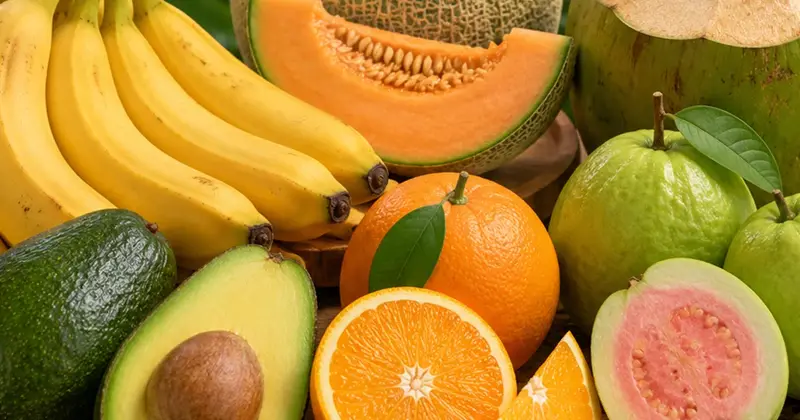
High levels of potassium in the blood can cause heart rhythm disturbances, muscle weakness, and other dangerous complications. In addition to potassium, kidney patients also need to control their phosphorus, sodium, and water intake depending on the stage of the disease, according to the health website Medical News Today (UK).
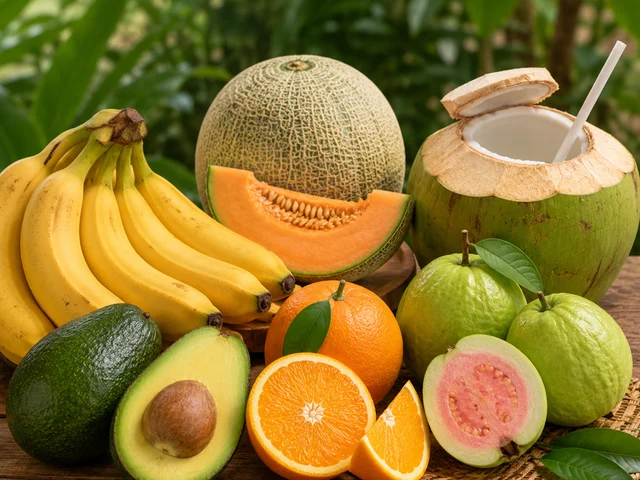
People with chronic kidney disease should limit their intake of fruits high in potassium, such as bananas, avocados, oranges, guavas, cantaloupes, and coconut water.
PHOTO: N. Quy created using AI
Potassium content in fruits
Fruits are generally healthy foods because they are rich in vitamins, fiber, and antioxidants. However, not all fruits are suitable for people with kidney disease. Some contain high levels of potassium.
Potassium is a mineral that helps muscles, nerves, and the heart function properly. In healthy individuals, the kidneys excrete excess potassium through urine. However, when kidney function declines, potassium can accumulate in the blood, causing hyperkalemia (high potassium levels in the blood). Therefore, many people with kidney disease need to control their potassium intake in their daily diet.
However, not everyone with kidney disease needs to strictly restrict potassium intake. The degree of restriction depends on the stage of the disease, blood test results, medications being taken, and whether or not they are undergoing dialysis.
Bananas, avocados, oranges, guavas, cantaloupes, and coconut water are foods that are quite high in potassium, so portion sizes should be controlled. For example, an average banana contains about 422 mg of potassium, while a large 200-gram avocado can contain nearly 1,000 mg of potassium.
Note regarding dried fruit
Additionally, dried fruits like raisins, prunes, or dates often contain a higher concentration of potassium than fresh fruit because the water has been removed during processing. This food group also contains a lot of natural sugar, making it unsuitable for people with kidney disease and diabetes.
However, this does not mean that patients must completely avoid these fruits. In many cases, they can still eat small amounts if their blood potassium levels are stable and they have guidance from a doctor or nutritionist.
Fruits suitable for people with kidney disease
Besides those that should be limited, there are many fruits that are more suitable for people with kidney disease because they contain less potassium. Some commonly recommended choices include apples, grapes, strawberries, blueberries, cherries, pears, pineapples, and peaches.
These fruits still provide vitamins, antioxidants, and fiber, but they are less likely to raise blood potassium levels if consumed in appropriate portions. However, patients should still pay attention to the amount they eat each time.
Even fruits low in potassium can increase total potassium levels if consumed in excess. The best approach is to choose the right fruits and eat them in portions as directed by your doctor or a nutritionist, according to Medical News Today .