


1. Why can going into water too quickly cause cold shock?
When the weather is hot, swimming is a popular way to cool down. However, when the ambient temperature reaches 30°C or higher, body and skin temperatures often increase due to prolonged exposure to sunlight. If you immediately jump into water with a much lower temperature, your body will react with a natural protective mechanism called the cold shock reflex.
Sudden temperature changes cause blood vessels in the skin to constrict rapidly in an attempt to limit heat loss. As a result, blood pressure increases for a short time, and the heart has to work harder to pump blood throughout the body. At the same time, many people experience a sudden inhalation reflex, rapid breathing, or difficulty controlling their breathing when they first come into contact with cold water.
In healthy individuals, these changes are usually short-lived. However, in older adults or those with cardiovascular disease, hypertension, coronary artery disease, or arrhythmias, this reaction can increase the risk of angina, arrhythmias, fainting, or unconsciousness. If this occurs while underwater, the risk of drowning increases significantly.
Therefore, when swimming in hot weather, swimmers should not immediately jump into the water when their bodies are still too hot, but should allow time for their circulatory system to gradually adapt to the temperature change.
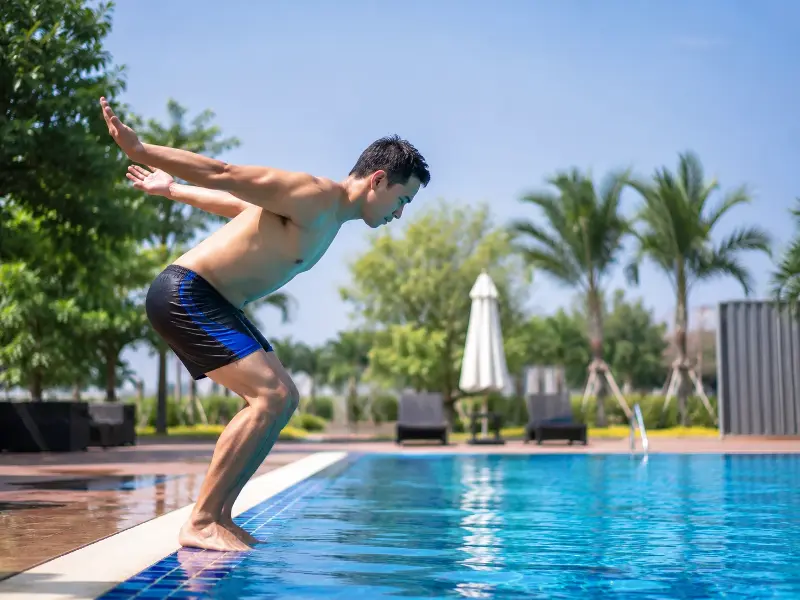
When the weather is hot, swimming is one of the ways many people choose to cool down.
2. How to protect your body when swimming on a hot day?
To reduce the risk of cold shock and protect the circulatory system when swimming in hot weather, swimmers should ideally do the following:
- Cool your body down gradually before entering the water: It's advisable to shower or wet your hands, arms, legs, neck, and chest before swimming. Then, step into the water in small steps instead of jumping or diving in suddenly to allow your body time to adapt to the temperature change.
- Warm up before swimming: Spending a few minutes doing light exercises helps prepare the cardiovascular, respiratory, and muscular systems for activity in the water.
- Avoid prolonged immersion in water: This is especially important when the water temperature is significantly lower than the ambient temperature, as it can increase the risk of hypothermia and put strain on the circulatory system.
- Warm up your body after coming ashore : Dry yourself off, change into dry clothes if needed, and stay warm to minimize heat loss. Also, drink plenty of water and eat a light meal to replenish lost fluids, electrolytes, and energy.
- Do not swim alone if you belong to a high-risk group: Children, the elderly, and people with cardiovascular disease or chronic illnesses should swim in areas with lifeguards or supervisors, avoiding swimming alone so that they can receive timely assistance if an incident occurs.

Dry yourself off, change into dry clothes if needed, and stay warm to minimize heat loss.
3. Who is at risk of cold shock?
The risk of cold shock isn't limited to swimming. People participating in activities like stand-up paddleboarding (SUP), kayaking, boating, or fishing can also experience this if they accidentally fall into the water.
In such situations, the large temperature difference between the body and the water can cause a forceful inhalation reflex, loss of breathing control, or temporary muscle spasms, making it more difficult to float on the water's surface and swim to shore.
Therefore, wearing a life jacket when participating in activities on rivers, lakes, or natural bodies of water is an important measure to reduce the risk of drowning in case of an accident.
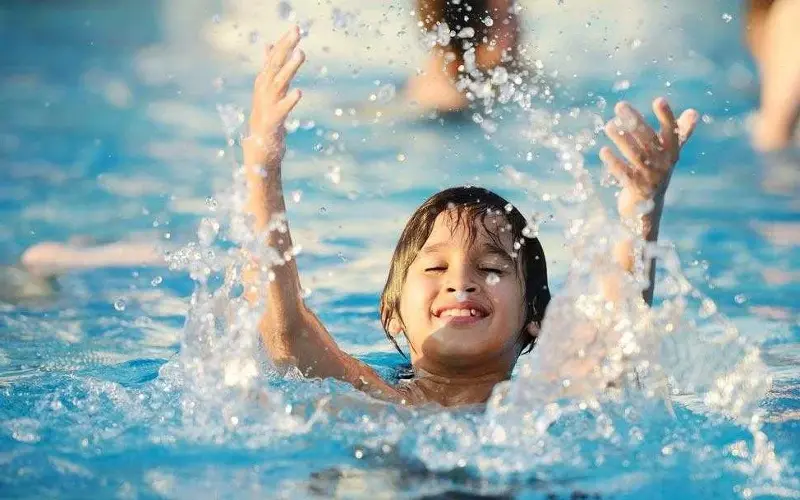
4. Things to note when swimming
One easily overlooked fact is that outdoor water temperatures are not uniform. While the surface water may be warmed by sunlight, deeper water can still be much colder.
Sudden temperature changes when swimming in deep water or diving can further trigger a cold shock reflex, especially in natural lakes, rivers, or reservoirs. Therefore, swimmers should not be complacent just because the surface water feels relatively warm.
Swimming is an ideal summer sport, improving cardiovascular health, increasing endurance, and effectively cooling down. However, to enjoy these benefits safely, each person needs to allow their body time to adapt to the water temperature, avoid jumping into the water immediately when it's hot, and always follow safety rules while swimming. Just a few minutes of proper preparation can significantly reduce the risk of cold shock and dangerous accidents in the water.
See more trending videos :