



Dill is an extremely popular herb, frequently appearing in the meals of many families. Not only does it have a special flavor that makes dishes more delicious, but dill is also a valuable medicinal herb with many beneficial effects on health.
1. Benefits of dill
From a medicinal perspective, dill is a valuable herb. Besides the stem and leaves, the fruit of the dill plant is also a precious medicinal ingredient, with its effects documented in ancient Eastern medicine texts.
Dill leaves and stems: These are the parts of the dill plant commonly used as a spice in cooking, and also as a medicinal herb with many uses in preventing and treating diseases. According to Traditional Chinese Medicine, dill is called "thoi la". The stems and leaves of dill have a pungent taste, a warm nature, and enter the spleen and stomach meridians. They have the effects of dispelling wind and cold, resolving phlegm, detoxifying, and eliminating foul odors.
In Traditional Chinese Medicine, dill leaves and stems are commonly used to treat the following conditions:
Treatment of colds caused by wind and cold: Used in herbal steam inhalation or decoctions to relieve mild cold symptoms, helping to clear nasal passages and soothe the throat.
Treating bad breath: Brewing a mouthwash or chewing fresh leaves helps cleanse the oral cavity and treat swollen and painful gums.
For external use to treat boils: Crush the leaves and apply to the affected area in the early stages of boils to reduce swelling.
Modern studies have also found many bioactive compounds in dill leaves and stems, such as essential oils, flavonoids, phenolic acids, high levels of vitamin C and vitamin A, and minerals like calcium, manganese, iron, and magnesium. Dill stems and leaves have also been shown to have antibacterial, antifungal, and antioxidant effects, support in lowering blood lipids, help control blood sugar, protect the gastric mucosa, and relieve spasms and bloating.
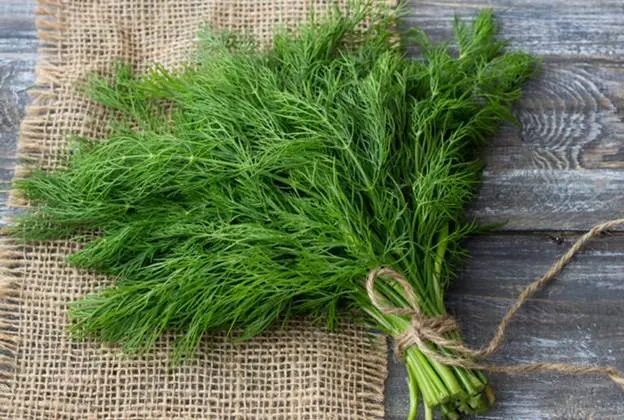
Dill leaves and stems are both a spice and a valuable medicinal herb.
Fennel seeds (fruits): The part we commonly call fennel seeds is actually the fruit of this plant. According to Traditional Chinese Medicine, fennel seeds are the most valuable part in terms of medicinal properties and are widely used in Traditional Chinese Medicine prescriptions.
Fennel seeds share many similarities with fennel seeds, so they can be used as a substitute for this herb in digestive disorders. According to Traditional Chinese Medicine, fennel seeds have a pungent taste, a warm nature, and act on the spleen, stomach, and kidney meridians. They have the effects of warming the body, dispelling cold, promoting qi circulation, relieving pain, and strengthening the spleen and aiding digestion.
Fennel seeds are commonly used in the treatment of:
- Treating abdominal pain caused by spleen and stomach deficiency with cold symptoms: Abdominal pain due to cold, bloating, hiccups, and vomiting.
- Treatment of hernia: Pain caused by stagnation of qi in the lower abdomen.
- Postpartum support for women: Treats blocked milk ducts, promotes milk flow, and reduces postpartum abdominal pain.
- Digestive support: Treats indigestion and bad breath caused by stagnation in the stomach and intestines.
While the stems and leaves of dill contain many antioxidants and vitamin C, dill seeds are where a much higher concentration of potent bioactive chemical compounds is found compared to other parts of the plant.
Fennel seeds contain a high concentration of carvones, the main components responsible for their aroma and effects; they also contain essential oils such as limonene, α-Phellandrene, fatty oils, and coumarin. Thanks to these components, fennel seeds possess many outstanding benefits:
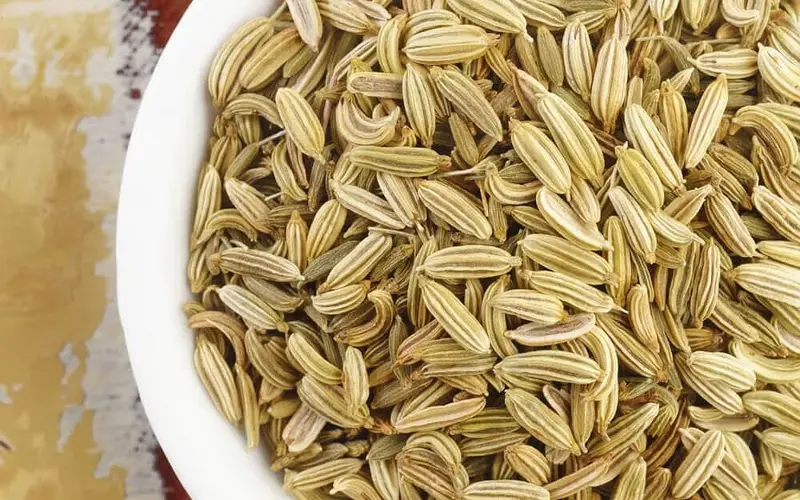
- It reduces stomach and intestinal spasms and prevents gas formation in the digestive tract.
- Antibacterial and protects oral health.
- Regulates cholesterol and protects cardiovascular health.
- Increases milk production.
- Anti-inflammatory, pain relief.
2. Some ways to use dill for health benefits
Fennel seed tea
Ingredients: 3–5g dried fennel seeds.
Instructions: Put fennel seeds in a teapot, pour in about 200ml of boiling water, cover and let steep for 10-15 minutes. Drink while still warm after meals. This is a simple and common way to use fennel seeds to aid digestion and promote lactation.
Fennel seed tea helps reduce bloating and gas, and stimulates digestion. For breastfeeding women, this tea helps stimulate milk production and reduce mild cases of blocked milk ducts.
Dill is for oral hygiene.
Ingredients : A small pinch of dried fennel seeds or fresh fennel leaves.
Making:
Method 1: Chew 5-10 dried fennel seeds directly in your mouth for about 2-3 minutes, then spit them out.
Method 2: Boil fresh dill leaves with water, let it cool, and use it as a daily mouthwash.
The antibacterial properties of fennel help treat breath problems naturally, eliminating bad breath, killing bacteria in the oral cavity, and providing fresh breath, while also helping to relieve mild toothaches caused by cold weather.
Dill and fresh ginger decoction
Ingredients: 5g fennel seeds, 3 slices of fresh ginger.
Instructions: Put all ingredients into a pot with 300ml of water, bring to a boil, then reduce heat and simmer until only about 150ml remains. Drink while hot. The combination of dill and ginger enhances the warming effect on the body, treating vomiting and hiccups caused by cold, and helps warm the body on cold days or after eating raw or cold foods that cause stomach pain.
Fennel pillow
Ingredients: Large quantity of dried fennel leaves and seeds, cotton fabric for pillowcase.
Instructions: Dry the fennel leaves and seeds, mix them well, and stuff them inside a small pillowcase (or sachet); use it as a pillow or place it next to the pillow of young children or the elderly. The aroma from the fennel essential oil helps to calm the nerves, reduce stress, help reduce nighttime crying in young children, and help adults fall asleep more easily.
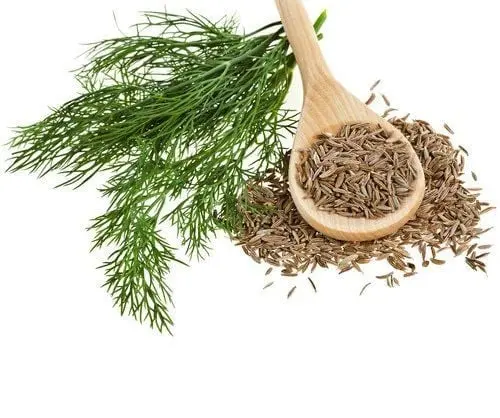
Fennel pillows, made from dried fennel leaves and seeds, have a calming and stress-reducing effect.
Steam inhalation for cold relief
Ingredients: A large handful of fresh dill leaves, a few sprigs of lemongrass or grapefruit peel.
Instructions: Put the ingredients into a pot of water and bring to a boil; cover your head and the pot with a large towel to steam for about 5-10 minutes. Fennel essential oil has strong antibacterial properties, helping to cleanse the respiratory tract when you have a cold, helping to clear nasal passages, reduce congestion, promote sweating to relieve cold symptoms, and reduce headaches caused by exposure to cold.
Dill has many health benefits, but there are also some things to keep in mind:
- Dill should not be used by pregnant women or people with yin deficiency and excess heat in their constitution.
- People allergic to plants in the Apiaceae family such as carrots, celery, and parsley should use caution.
- Do not use concurrently with medications containing estrogen, anticonvulsants, tamoxifen, or diuretics.
- It is recommended to use fully dried, mature fruits with a characteristic aroma. When using them, crush them and boil them for a short time to ensure the highest content of active ingredients.