



Lactose intolerance causes many people to worry about calcium deficiency due to restrictions on milk and dairy products.
1. Calcium – not only good for bones but also essential for cardiovascular health.
Calcium has long been known as an important mineral that makes up the skeletal system and teeth. However, it is also an essential micronutrient involved in muscle contraction, including the heart muscle, regulating nerve transmission, supporting blood clotting, and maintaining the normal functioning of the vascular system.
In the cardiovascular system, calcium participates in the contractile mechanism of the heart muscle, helping to maintain a stable heart rate. Blood calcium levels are tightly controlled, so prolonged deficiency can affect heart, muscle, and nerve function. Therefore, ensuring sufficient calcium intake through diet is crucial for everyone, especially the elderly, postmenopausal women, and people with chronic diseases.
However, most people still assume that milk and dairy products are the primary source of calcium. For those with lactose intolerance – a condition where the body lacks the enzyme lactase to digest lactose in milk – consuming milk can cause bloating, diarrhea, and digestive discomfort. This leads them to worry about the risk of calcium deficiency.
In fact, many non-dairy foods still provide a significant amount of calcium, meeting daily needs if selected and combined appropriately.
2. Some calcium-rich foods besides milk
2.1 Nuts and seeds are rich in calcium.
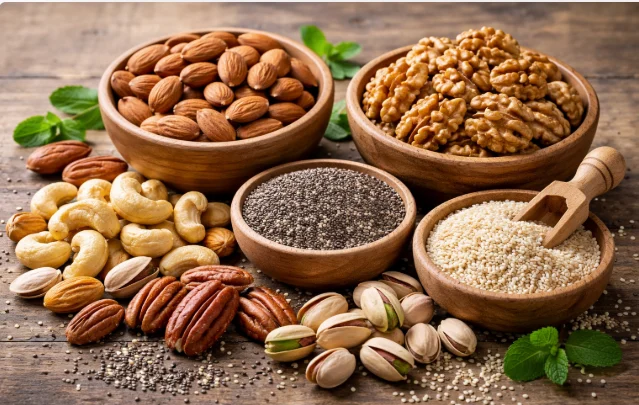
Nuts and seeds are a rich source of plant-based calcium, and are also packed with healthy fats that are good for cardiovascular health.
Several types of seeds and nuts are considered excellent sources of calcium within the plant-based food group. Sesame seeds, chia seeds, and almonds are prime examples. According to widely published nutritional data, two tablespoons of sesame seeds can provide approximately 175 mg of calcium, while a handful of almonds provides about 75 mg of calcium. This is a significant contribution compared to the recommended daily calcium intake for adults.
Besides calcium, this food group also contains unsaturated fats, fiber, and antioxidants that are beneficial for cardiovascular health. These nuts are versatile in food preparation and suitable for people who cannot consume dairy.
2.2 Tofu and tempeh
Tofu is one of the richest sources of calcium in the plant group, especially when processed with calcium salts. On average, a half-cup serving of tofu can provide approximately 350–400 mg of calcium, equivalent to or higher than a cup of cow's milk.
Tempeh – a fermented soybean product – also contains moderate levels of calcium, while providing protein and beneficial probiotics for the digestive system. The fermentation process helps improve nutrient absorption and supports a balanced gut microbiome.
Compounds in soybeans are believed to contribute to regulating blood pressure, supporting vascular function, and heart rhythm. For vegetarians, those with lactose intolerance, or those wishing to reduce their consumption of animal products, tofu and tempeh are suitable alternatives to ensure adequate calcium intake while still benefiting cardiovascular health.
2.3 Calcium-fortified plant-based milk
Nowadays, many plant-based beverages such as almond milk, soy milk, oat milk, and rice milk are fortified with calcium to achieve a calcium content equivalent to cow's milk. A cup of calcium-fortified soy milk or almond milk typically provides around 300–450 mg of calcium. This is comparable to, or even higher than, some conventional dairy products.
The advantage of this product group is its ease of use in daily life: it can be used with cereals, mixed into smoothies, or as a substitute for cow's milk in cooking. For people with lactose intolerance, calcium-fortified plant-based milk helps ensure nutritional needs are met without causing digestive problems.
However, consumers should note that they need to choose products that clearly state the amount of added calcium on the label, and shake well before drinking to avoid mineral sediment.
2.4 Dark green leafy vegetables – a source of easily absorbed calcium

Dark leafy green vegetables are a source of calcium other than milk.
Dark leafy greens such as kale, cabbage, bok choy, and turnip greens are notable sources of plant-based calcium. One cup of cooked cabbage can contain over 250 mg of calcium. In addition to this mineral, leafy greens are also rich in vitamin K – a micronutrient crucial for bone metabolism – and numerous antioxidants that help reduce inflammation and protect the cardiovascular system.
It's worth noting that some leafy green vegetables are a good source of calcium with relatively good absorption rates, especially when properly prepared. Diversifying your daily diet with vegetables not only helps supplement calcium but also increases fiber intake, supporting weight management and metabolism – crucial factors in preventing cardiovascular disease.
2.5 Types of beans
Legumes, including black beans, are a worthwhile source of plant-based calcium. 100g of black beans can provide approximately 190mg of calcium. In addition to calcium, beans are also rich in plant-based protein and soluble fiber, contributing to improved cardiovascular health. Adding beans to your diet not only helps meet calcium needs but also supports the control of blood lipids and blood sugar – factors closely linked to cardiovascular risk.
For vegetarians or those who limit dairy products, legumes are a fundamental food source for building a balanced, micronutrient-rich diet.
3. Things to note when supplementing calcium from food.
For people with lactose intolerance, ensuring sufficient calcium intake is entirely possible through a varied diet, without relying on cow's milk; however, the following should be noted:
- Combine different calcium sources to optimize absorption.
- Maintain a balanced diet rich in green vegetables and whole grains.
- Consult your doctor or a nutritionist if you have an underlying medical condition or suspect a calcium deficiency.
The information above is for reference only. Nutritional supplementation should be individualized according to specific health conditions. If you have questions about diet or calcium needs, please consult a healthcare professional for appropriate advice.