Discover the remarkable long-necked dinosaurs of the Jurassic period.
Vietnam.vn EN
21/02/2026 13:03:00
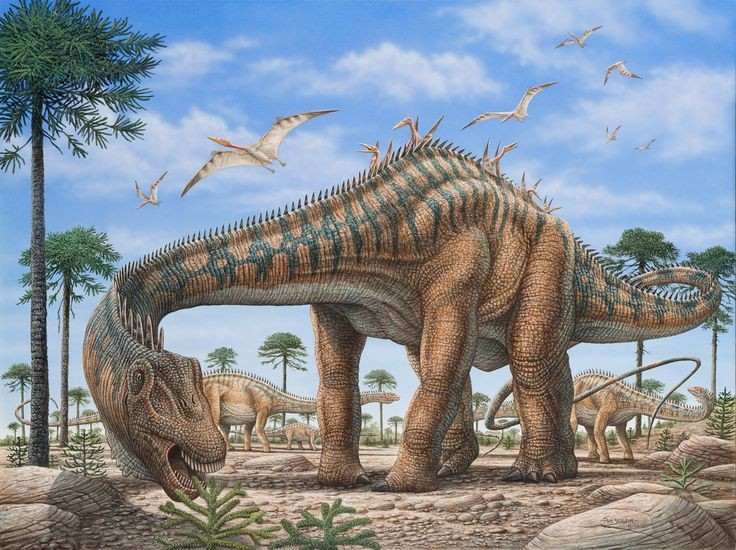
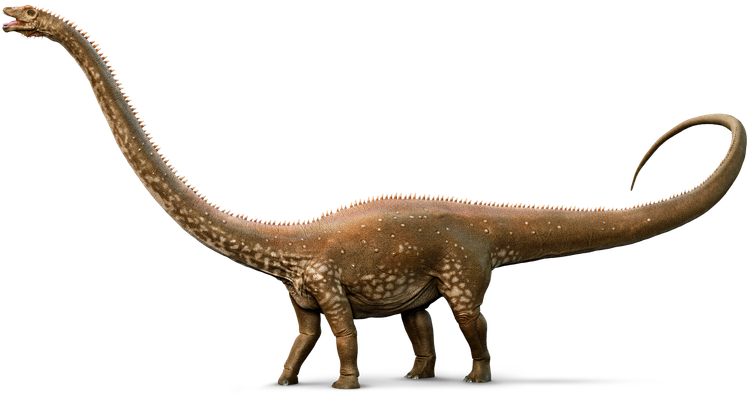
Diplodocus, measuring up to 27 meters in length with a long neck and tail, lived 154 million years ago, is the iconic dinosaur of the sauropod group, and lived in herds.
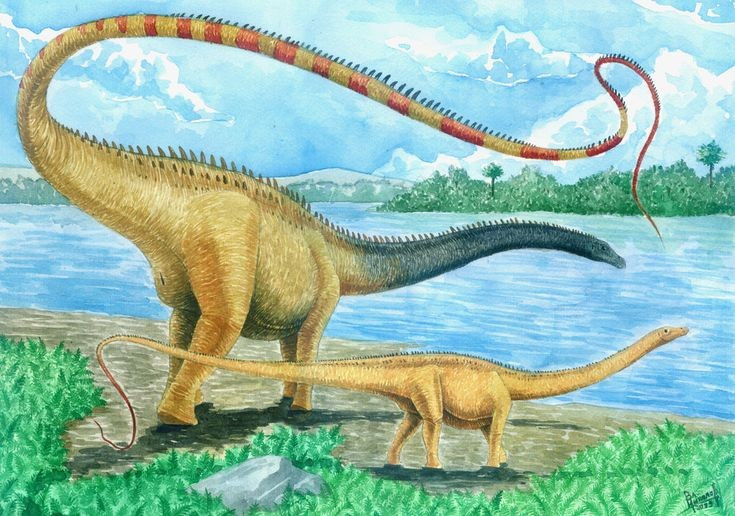
Possessing an impressively long neck and tail, Diplodocus reached a body length of approximately 24–27 meters, with the neck and tail making up a significant portion of its length. The whip-like tail helped maintain balance while moving and could even produce a loud sound when lashed forcefully in the air. (Image: Pinterest)
The name means "double beam." The name Diplodocus comes from the Greek word meaning "double beam" or "double girder," referring to the unique bony structure in the tail consisting of double bony projections. This feature reinforced the long tail and was the basis for paleontologists to distinguish them from other sauropods. Photo: Pinterest.
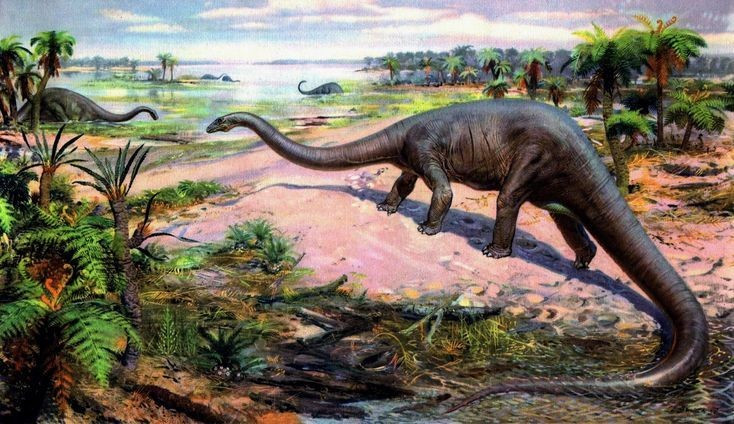
Living during the late Jurassic period, Diplodocus lived approximately 154–152 million years ago in what is now North America. Fossils of this species are found in abundance in the Morrison Formation, one of
the world's richest dinosaur fossil deposits. Photo: Pinterest.
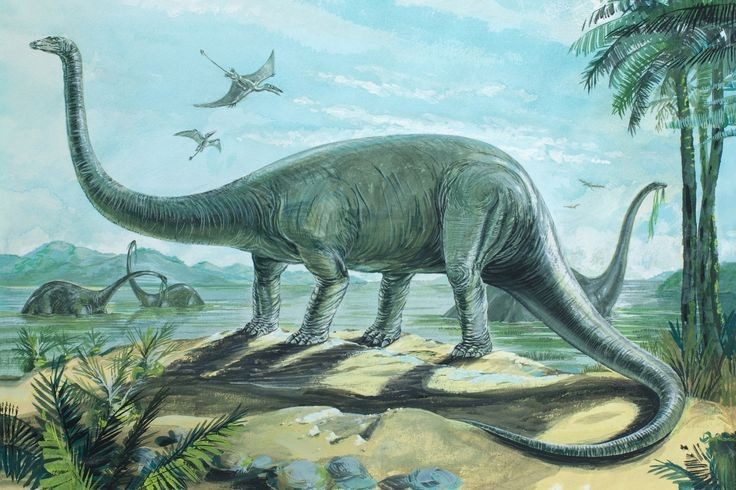
Their diet consisted primarily of lower plants. Despite having a long neck, many studies suggest that Diplodocus typically kept its neck close to the ground to feed on ferns, shrubs, and low vegetation. Their small, pencil-shaped teeth indicate they didn't chew but rather stripped leaves and swallowed them. (Image: Pinterest)
A massive body but a small head. Compared to its enormous size, the Diplodocus's skull was quite small and light. This reduced the weight on its long neck, saving energy when lifting and moving its neck, and also reflected its herbivorous lifestyle which didn't require a strong bite. Photo: Pinterest.
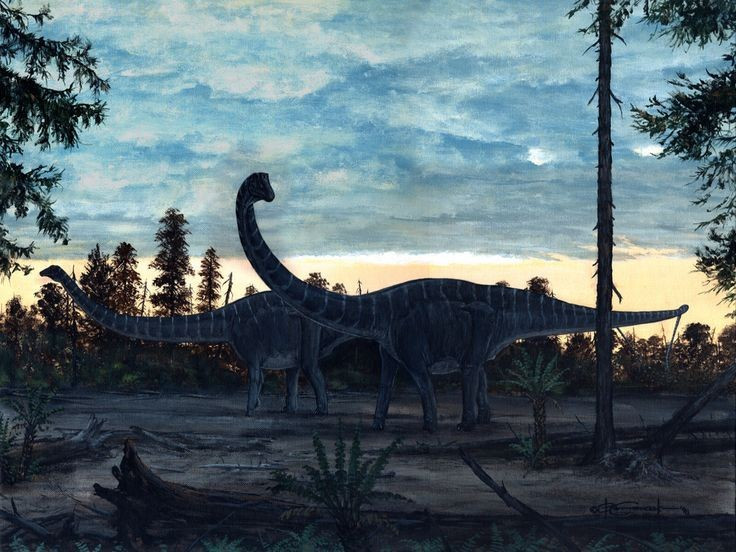
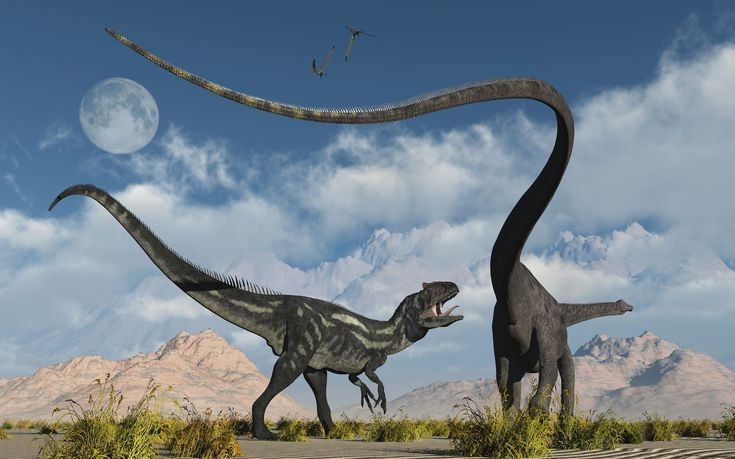
They may have lived in herds. Some fossil evidence and footprints suggest that Diplodocus may have moved in groups. Living in herds helped increase their defenses against large carnivorous dinosaurs of the same era, such as Allosaurus. Photo: Pinterest.
Discovered in the 19th century, Diplodocus fossils were first described in 1878 by paleontologist Othniel Charles Marsh. Skeletons displayed in major museums in Europe and America have contributed to the species' global fame. Photo: Pinterest.
Diplodocus,
the iconic sauropod dinosaur, with its elongated body, extremely long neck and tail, and four-legged gait, has become the quintessential example of long-necked dinosaurs. Modern studies of its biology, posture, and ecology continue to shed light on how such a colossal creature could survive and thrive. Photo: Pinterest.
This article is provided by Vietnam.vn EN, authorized for use, and represents solely the author’s personal opinions. Please contact us in the event of any potential infringement.