



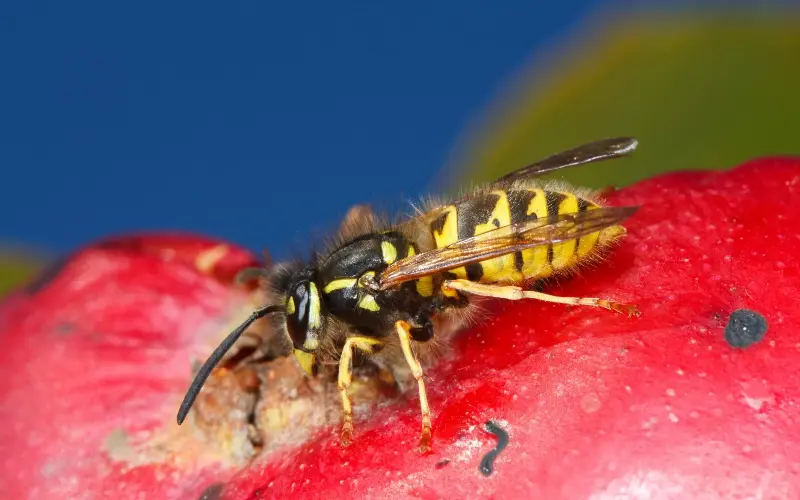
High summer would not feel like high summer without someone suddenly leaping from the table, waving their arms about because a wasp has taken a particular interest in them. By August, it is an increasingly familiar sight.
Wasps have an unfortunate reputation, but gardeners should perhaps be a little more forgiving. They are useful predators, hunting aphids, caterpillars and other insects, while also being pollinators. For much of spring and early summer, they cause remarkably little trouble.
It is later in the season that relations begin to deteriorate. As colonies mature and there are fewer larvae to feed, worker wasps increasingly seek out sugar for themselves. Suddenly, ripe fruit, fizzy drinks, jam and ice cream become irresistible. And who can blame them, having worked tirelessly all summer? That doesn’t mean, however, that we necessarily want them joining for lunch or supper.
So, knowing how to get rid of wasps in your garden shouldn’t mean eliminating them altogether. A few simple changes can keep them away from patios and dining areas while allowing these useful insects to get on with their work elsewhere. Think gentle redirection rather than all-out pest war.
Skip to:
Are wasps good for your garden?
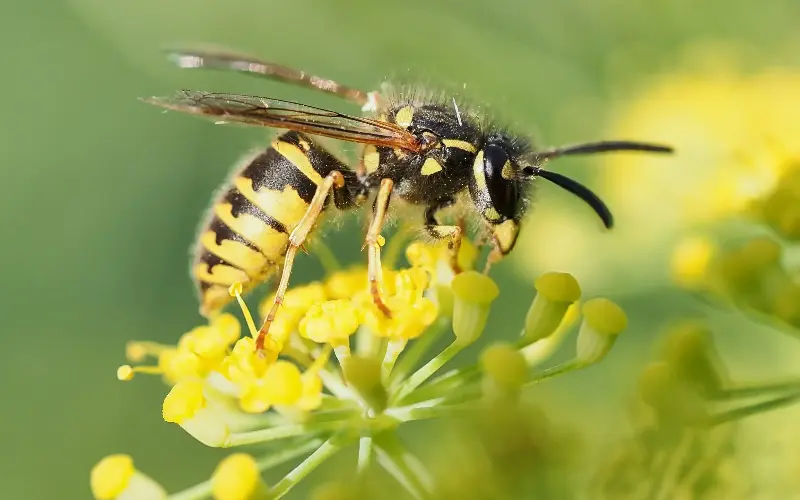
Despite their reputation, wasps earn their place in a healthy garden. They are useful natural predators, hunting aphids, caterpillars and other insects to feed their developing larvae. They are pollinators, too, moving between flowers in search of nectar – although that may be little consolation when you are nursing a sting.
How to get rid of wasps
1. Clear away fallen fruit
Fallen apples, pears, plums and other fruits can quickly become a feast for wasps, particularly from late summer into fall. Check beneath fruit trees regularly and collect anything bruised, split or beginning to ferment.
In a larger garden, you could even move damaged fruit to a distant corner, well away from patios and seating areas, giving wasps somewhere else to investigate. A sort of fruity sacrificial offering, if you like.
2. Cover food and drinks
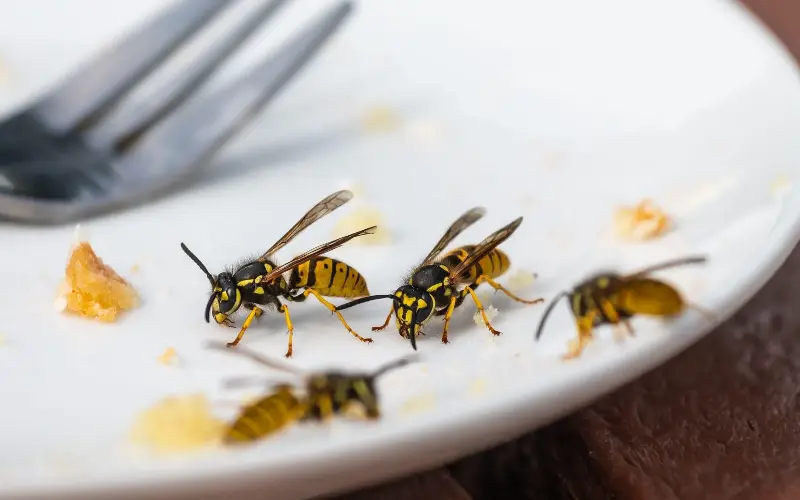
Jam, fruit, cakes and sugary drinks are difficult for wasps to resist. Keep food covered until you need it and clear plates promptly after eating. Be particularly careful with open cans and bottles, as a wasp can disappear inside without you noticing.
Believe me, a refreshing beer became considerably less refreshing when I took a sip a few summers ago and discovered there was a wasp inside. The resulting swollen lip provided the clearest indication yet of what injectables might do for me.
3. Keep bins sealed
Outdoor rubbish and compost bins can provide wasps with an easy source of food, particularly when sticky packaging or overripe fruit is involved. Keep lids firmly closed, rinse recycling and clean up sugary spills rather than leaving them to dry.
Where possible, position bins away from doors, patios and outdoor dining areas. If you have a large plot, keep your compost pile or bin, or both, as far away from the house as possible.
4. Grow strongly scented plants
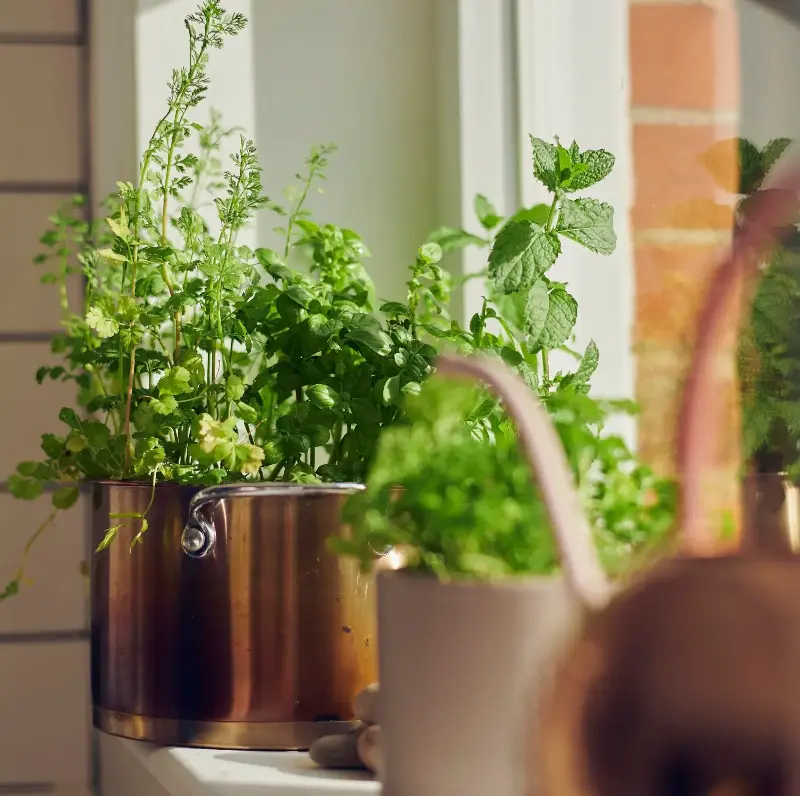
Mint, basil, citronella and other aromatic plants are often suggested as natural wasp deterrents. That being said, I wouldn’t rely on a pot of mint to create an invisible force field around your patio, but there is little harm in incorporating aromatic herbs around seating areas and windows.
5. Don’t flap
Easier said than done, admittedly, but wildly swatting at a wasp is rarely the answer. If one arrives at the table, stay calm, cover tempting food and drinks and give it an opportunity to move on. Wasps can sting when they feel threatened, so batting one away repeatedly may make the situation worse. One inquisitive wasp circling a glass of wine is preferable to one you’ve just made angry.
Treating wasp nests
Not every wasp nest needs removing. If one is tucked away at the bottom of the garden and causing no problems, leaving it alone is often the simplest option. Social wasp colonies are seasonal, and activity will naturally come to an end as colder weather arrives.
A nest beside a doorway, children’s play area or frequently used seating space is different. Don’t knock it down, block the entrance or attempt to tackle a large active nest yourself. Contact a professional instead.
FAQs
Why are there lots of wasps in my garden?
Wasp activity naturally becomes more noticeable in late summer, when colonies are large and workers increasingly search for sugary food. Ripe and fallen fruit, sweet drinks, outdoor meals and poorly sealed bins can all attract them. If they are simply moving between flowers, however, they are probably foraging and pollinating rather than causing a problem.
Is there a way to permanently get rid of wasps?
Not realistically – and nor would you want to. Wasps are part of a healthy garden ecosystem, helping to control populations of other insects as well as contributing to pollination. A better approach is to make patios and dining areas less attractive while allowing wasps to forage elsewhere in the garden.
What sprays deter wasps?
Some scientific studies suggest that certain essential oils can have a repellent effect on wasps. Clove and peppermint oils, for example, have shown some efficacy and are sometimes used in natural repellent sprays around doorways, patios and seating areas. They are certainly not a foolproof solution, and their effects are unlikely to last indefinitely, but as part of a wider approach to deterring wasps, they might be worth a try.