




Kelly Hoppen needs little introduction. For 50 years, she has been a mainstay in British interior design and her name has become synonymous with a specific aesthetic. Think pared-back and luxurious without being showy, and a combination of off-white, cream, stone and every shade in between. It’s this look that has her often referred to as the “queen of taupe”.
Hoppen started designing interiors aged 16. Now 67, she has built an impressive international career that spans private homes, hotels and yachts, as well as books and regular appearances on TV programmes such as Dragons’ Den and, most recently, guest spots on BBC One’s Interior Design Masters.
Her influence has moved beyond the world of high-end interiors to a high-street collaboration with Marks & Spencer. Launched in 2024, it spans everything from furniture to lighting and home fragrance, and the autumn collection has just been unveiled.
“Having a beautiful home is a thought-out process,” Hoppen explains. “People go wrong when they just think about what their home should look like. You need to think: ‘What is the experience you want to feel?’” Unsurprisingly, over the years, Hoppen has seen countless mistakes people have made when designing their homes.
“One of the biggest things I would advise is to be really careful of just trying to replicate an image you have seen on Pinterest,” she says. “Look at the picture of the room you have chosen and try to work out what you like about it. Is it how it feels? Is it the colour? Is it the light? Or is it one piece of furniture? Once you figure that out, then create your own version of what it is, because people just assume they can plonk themselves into what somebody else has done – and that’s when they get disappointed.”
Here, Hoppen reveals five other decorating sins she commonly encounters and how, with a few simple changes, to avoid them.
Guessing the scale of furniture
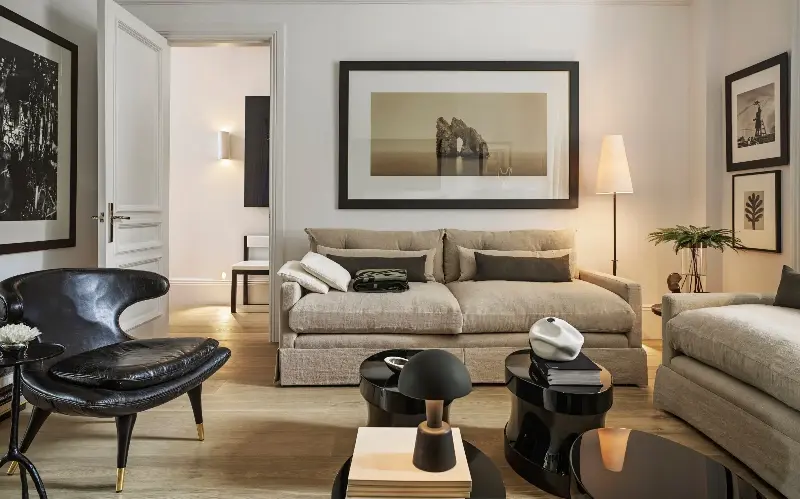
It is surprising how many people don’t measure their furniture before buying, says Hoppen. “So many people just guess. But if the proportions are wrong, then everything else in the room becomes wrong,” she adds. “If you are designing a space without a professional, you need to get measuring tapes and masking tape and walk around the space to get an idea of scale. It’s not like buying something to wear, which you can easily change afterwards. A sofa, for instance, is a big-ticket item, so needs to be thought out carefully.”
The problem, Hoppen says, isn’t confined to whether something fits through the door. “If you have a vanity unit and the mirror is too small, it’s going to look odd. That is the same if your sofas are too low and your coffee table is too high or if your dining table’s too wide and you can’t move around it easily,” she says. “Measuring everything beforehand ensures you don’t make expensive mistakes, and ensures your room looks and feels balanced.”
Neglecting the lighting design
If there is one thing Hoppen thinks people should consider earlier in their home design, it is lighting. “Poor lighting is like wearing one shoe – you’re always going to be off-balance,” she says. “People often leave lighting until the last minute, but it should come in on day one if you are renovating.”
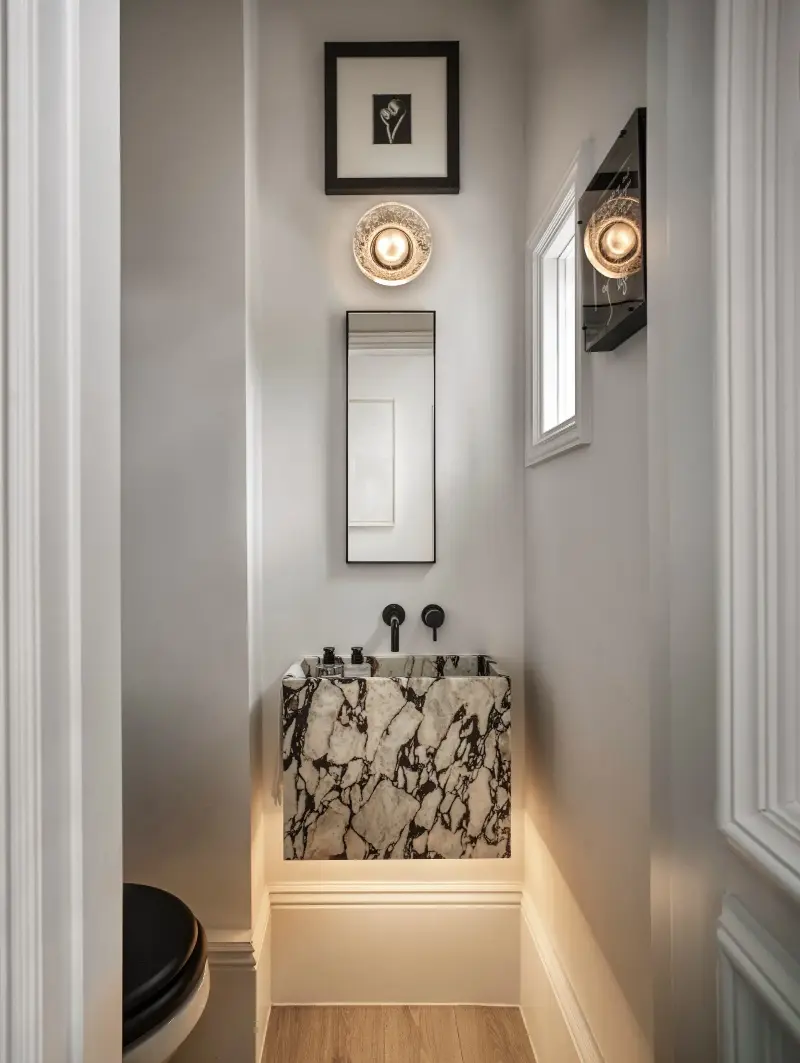
Her rule is simple: lighting needs to be layered and balanced as well as designed to respond to how a room is used. “For example, in a bedroom there should be low-level lighting next to a bed, not necessarily big overhead lighting,” Hoppen says. “I have a large light in my bedroom, but the light shines up to the ceiling. You lie down most of the time in bed, so you want a light that is shining off the ceiling, not in your face.”
The same principle applies elsewhere. In a living room, think about balancing light around sofas and chairs, and in a kitchen different layers of lighting, from task lights over the worktops to a dimmable pendant over the dining table, will create different moods when needed. If you are not renovating, don’t underestimate the power of additional floor and table lights. “My new M&S lighting collection is chargeable, and those are the lights I am doing more and more of, because they’re brilliant as you can move them around and have them in any space you need,” says Hoppen.
Using too much strong colour, print and pattern
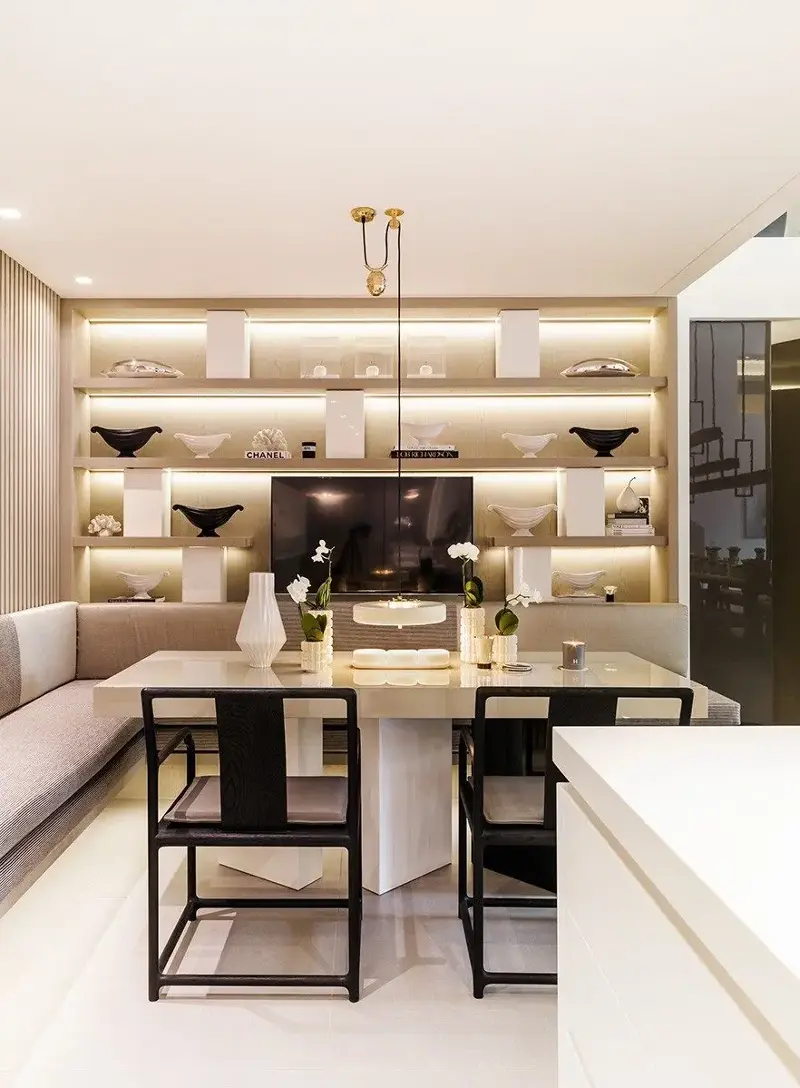
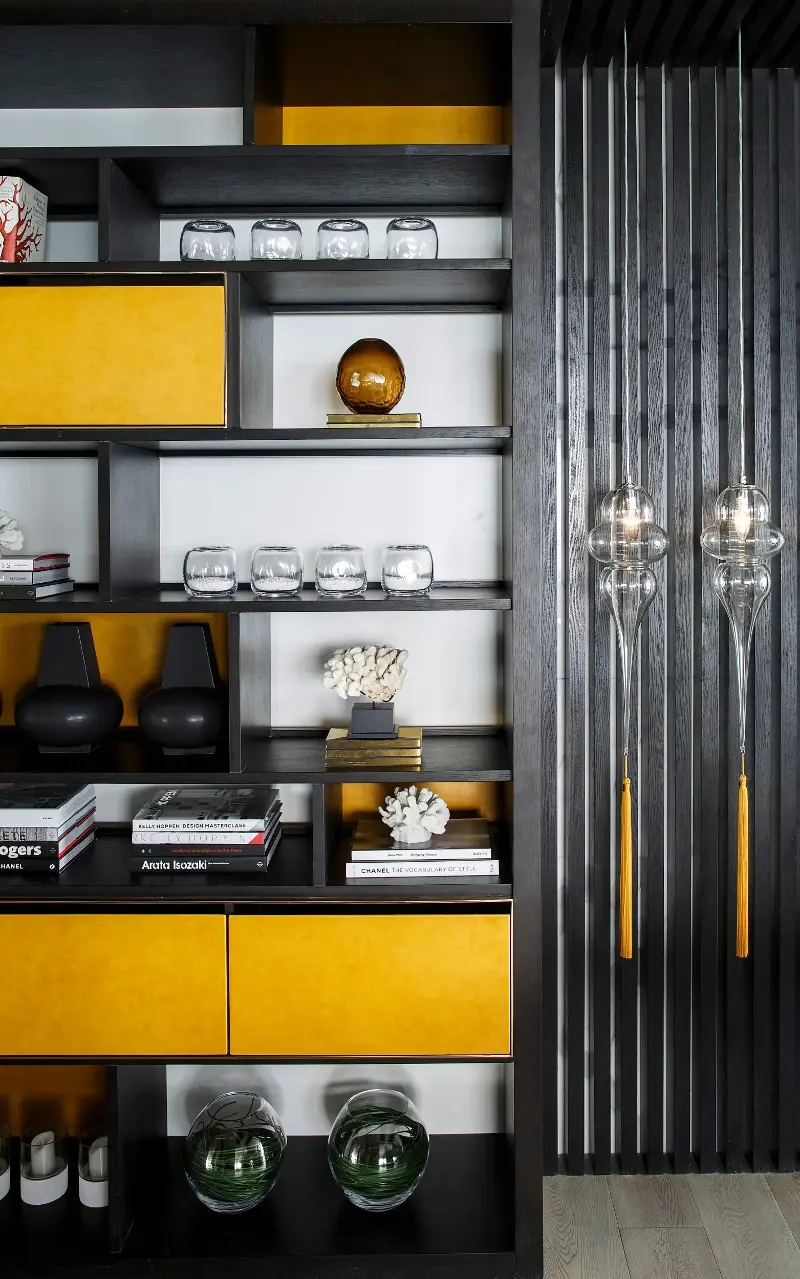
It’s fair to say that Hoppen’s own interiors are not necessarily what most people would associate with pattern. But surprisingly, it is not something she dismisses. Her key objection is to piling on a load of pattern with little thought or restraint. “Too much pattern in a room makes it like a discotheque,” she says.
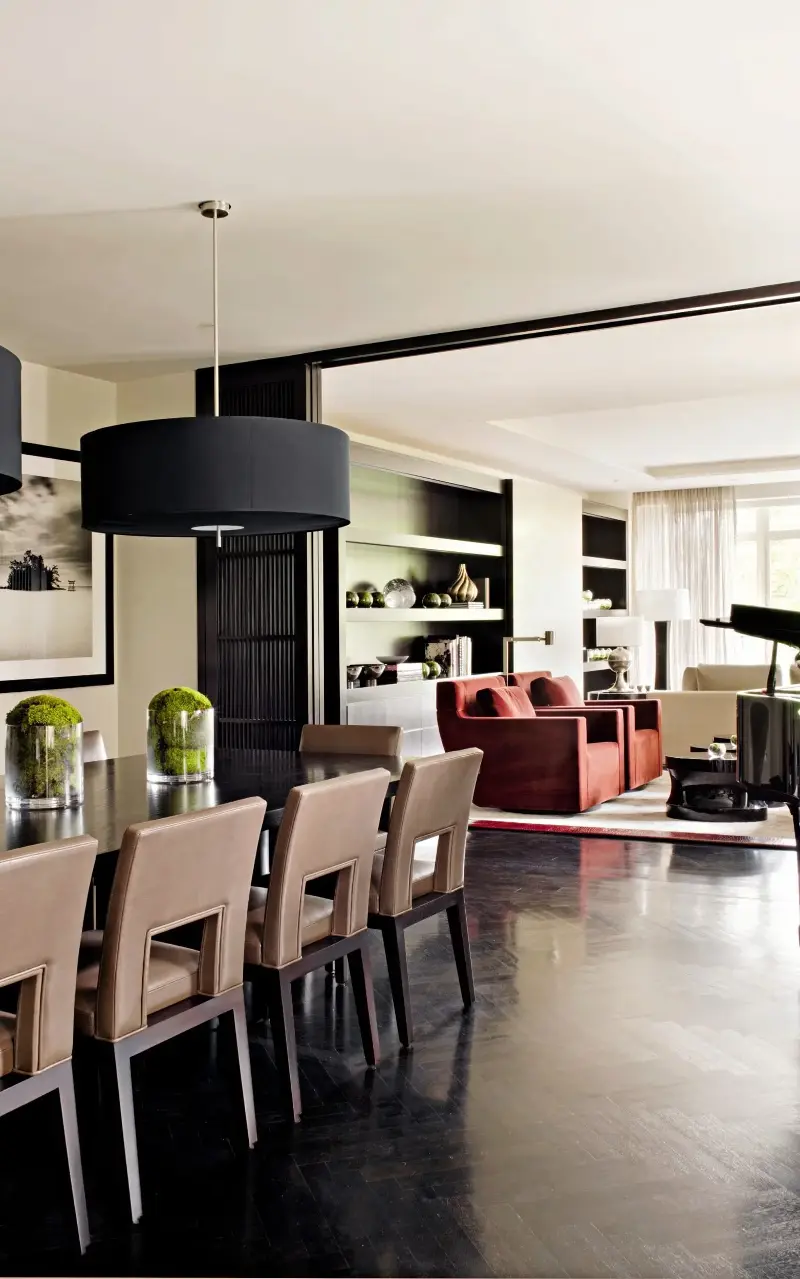
The trick, she believes, is to use pattern and colour as an accent rather than allowing it to dominate everything else. “I would only have a pop of something,” Hoppen says. She prefers a subtle self-pattern – where a pattern is created through variations of texture or tone – which can bring interest without overwhelming a room. This is part of Hoppen’s broader philosophy of layering. “I prefer to see people have more layers of neutrals. Then you can add things on to it. So for me, design is about layering lots of textures and different materials which give it excitement.”
Designing the bedroom around everything except the bed
It may be an obvious thing to bear in mind, but Hoppen believes people frequently forget the biggest and most important piece of furniture in a bedroom: the bed.
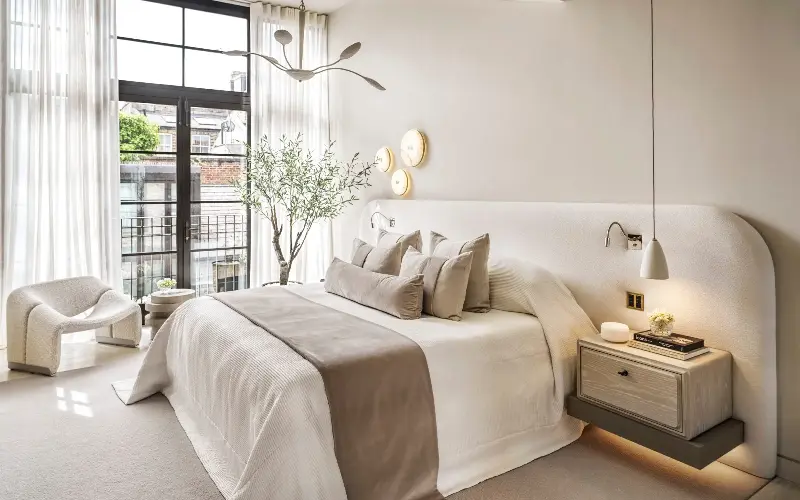
“The focus should always be the bed, because that is what gives the room the biggest impact,” she says. “You should be designing from the bed out, but people tend to do it the other way around.” It is easy to see how that happens. It is not unusual to think about paint colour, the curtains and rugs before turning to what is arguably the visual centrepiece. Hoppen recommends starting with what you already have and building around it, particularly if you are working with a limited budget. “Ideally, you’ll have fabric on your headboard and then you need to think about bed linen, bed covers, cushions and the valance,” she says. “Once you cover these, then you can think about the other elements and build the scheme from there.”
Adding wallpaper without proper consideration
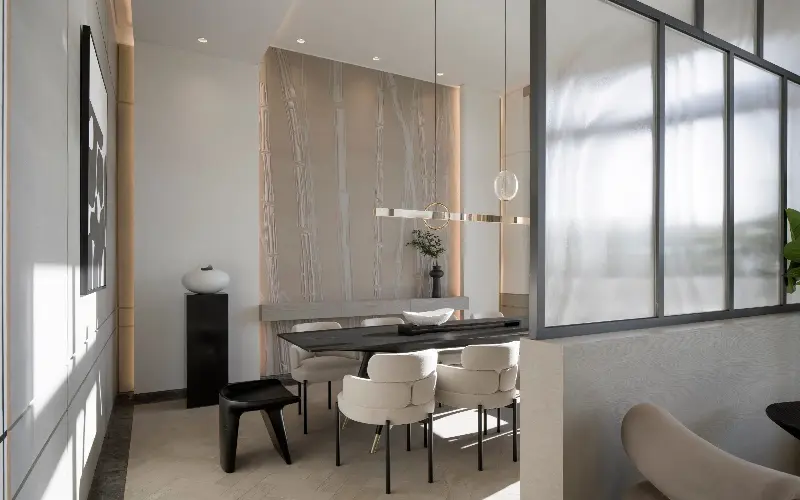
Wallpaper can transform a room, but it can also be a waste of money if you don’t do enough due diligence beforehand, says Hoppen.
“The biggest mistake people make with wallpaper is getting small samples from shops,” she explains. “I don’t think people often realise the volume of the wallpaper before they put it on the wall.” A wallpaper that looks delicate and restrained on a small sample can look entirely different when repeated across an entire room, so Hoppen’s advice is to resist the temptation to make an immediate decision based on a tiny square of paper. “It may look better on just one wall. I really think this is why people should be doing proper mood boards, laying things out, and trying to visualise what things are like,” she says. “It’s important because nine times out of 10, people overspend because they do something and then have to redo it.”