


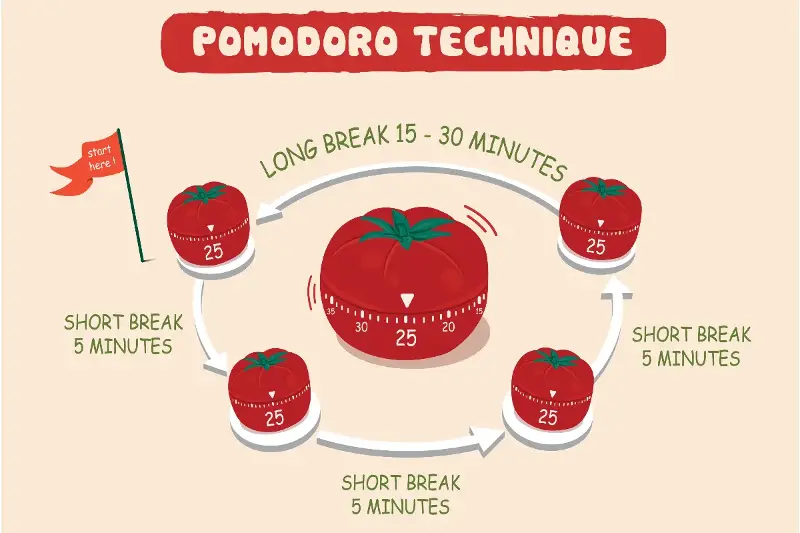
The Pomodoro Technique flips traditional productivity advice on its head. Instead of urging you to work harder, longer, or through overly complex systems, it advocates a radically simple rhythm: work with complete, undivided attention for just 25 minutes, then take a short, refreshing break.
This straightforward approach transforms demanding tasks into manageable steps, drastically reduces procrastination, and provides a clear picture of how your time is actually spent.
The Origin of the Tomato Timer
Developed by Francesco Cirillo in the late 1980s, the technique was named after the tomato-shaped kitchen timer he used as a university student—pomodoro being the Italian word for tomato. Decades later, this method remains globally popular because it turns an intimidating workday into a series of small, achievable commitments.
Why 25 Minutes Works Magic
A 25-minute work session hits the sweet spot: short enough to feel approachable, yet long enough to produce meaningful progress.
- Lowers the barrier to entry: When a project feels overwhelming, committing to work for an entire afternoon triggers mental avoidance. Deciding to focus for just 25 minutes eliminates that resistance.
- Respects natural focus limits: Deep concentration naturally declines after extended periods. A defined session gives your brain a visible finish line so you can give total effort without constantly wondering when to stop.
- Leverages Parkinson’s Law: Work expands to fill the time available for its completion. A compact 25-minute container fosters quick decisions, maintains momentum, and curtails perfectionism.
Mastering the Basic Pomodoro Rhythm
Executing the core method requires simple discipline:
- Select one single task to focus on.
- Set a timer for 25 minutes and work until it rings.
- Take a 5-minute break to step away and reset.
- Repeat the cycle. After completing four pomodoros, reward yourself with a longer rest of 15 to 30 minutes.
During any active session, the absolute priority is single-tasking. Avoid checking messages, opening new browser tabs, or replying to minor requests. If an unrelated thought pops up, quickly capture it on a side note and immediately return to your primary focus.
Remember, the break matters just as much as the work. Stand up, stretch, grab water, or step outside. Resist the urge to scroll through social media, as digital consumption leaves the mind distracted rather than genuinely refreshed.

A Powerful Shield Against Procrastination
Procrastination is rarely about laziness; it is an emotional response to discomfort or ambiguity. The Pomodoro Technique addresses this by shrinking the scary first step. You do not need to finish an entire presentation today; you only need to work on it until the bell rings.
- Break down vague goals: Replace broad action items like "prepare for exam" with hyper-specific targets such as "review pages 20 to 35" or "solve 10 practice problems."
- Expose hidden time drains: Tracking your completed pomodoros reveals accurate workloads. Realizing a recurring report consistently takes six pomodoros allows you to budget time realistically and set healthier boundaries.
Customizing the Method to Fit Your Day
While 25 minutes is an ideal starting point for administrative tasks, studying, and inbox management, it is not set in stone. For deep creative flow, some people thrive on 40 or 50-minute blocks.
Listen to your personal energy levels. If you frequently feel mentally exhausted before the timer rings, shorten your initial focus blocks. If you are deeply engaged when time expires, finish your current sentence, record your progress, and then take your dynamic break.

Common Pitfalls to Avoid
- Treating minor notifications as emergencies: Silence nonessential alerts and close extraneous browser windows before starting.
- Rushing through tasks: The goal is calm focus, not high-stress speed.
- Measuring self-worth by numbers: Do not judge your success purely by total pomodoros finished. Sustainable productivity balances intentional effort with genuine recovery.