



Self-help is everywhere these days, dazzling us with the promise of total transformation. It calls from the covers of bestsellers and the glowing screens of our phones. The message is seductive: if we just read enough, journal enough, eat clean enough, or hack our routines, we can “fix” ourselves and become the ultimate versions of who we’re meant to be.
But what if this pursuit of perfection comes at an unexpected price? What if the quest to always be better is quietly robbing us of life’s simple pleasures and peace?
THE RISING OBSESSION WITH SELF-OPTIMIZATION
In recent years, a wave of self-optimization has swept the world. Podcasts, influencers, and authors encourage us to hustle harder, "glow-up," and turn every weakness into a strength. The self-improvement industry—now worth billions—paints personal growth as a mandatory duty, something to be scheduled and measured like a corporate business plan.
While these tools can genuinely help people quit smoking or manage anxiety, perfectionism often slips in under the banner of improvement. By trying to reinvent ourselves at every turn, we risk losing sight of what is already good, stable, and meaningful in our lives.
WHEN PERFECTING BECOMES THE ENEMY OF LIVING
Psychologists warn of a trend called “maladaptive perfectionism.” This occurs when striving for success morphs into:
- Chronic dissatisfaction with the present moment.
- Persistent anxiety about future goals.
- Pervasive guilt when resting or being "unproductive".
The "never enough" feeling creates a mental script: unless you are fitter, happier, and more productive, you are failing your potential. Social media magnifies this. Every scroll reveals a peer running a marathon or landing a dream promotion, widening the gap between our reality and an ever-shifting bar of success.
This cycle often leads to burnout and strained relationships. When life becomes a series of boxes to tick, there is little room for spontaneity or deep connection. The focus shifts from being present to obsessively monitoring progress.

SIMPLE PLEASURES: THE CASUALTIES OF OVER-OPTIMIZATION
Life’s small joys rarely make it into productivity planners. Consider these "unproductive" moments:
- Savoring an early morning cup of coffee.
- Getting absorbed in a "silly" movie.
- Laughing aimlessly with friends.
- Strolling with no specific destination.
These are the "micro-joys" that give life texture. Psychologists have found that these moments have a powerful effect on long-term well-being, yet they require us to pause and notice—something the optimized mind struggles to do.
History’s most brilliant minds championed the unproductive hour. Albert Einstein was known for his daydreaming walks; J.R.R. Tolkien cherished simple evenings by the fire. These joys wouldn't fit into a modern self-help agenda, yet they were crucial to their emotional balance and creative output.
MINDFUL LIVING: CULTIVATING AN ANTI-PERFECTIONIST MINDSET
What is the alternative to the endless chase? It isn't about rejecting all ambition, but rather adopting a gentler, more mindful approach. Positive psychology suggests that focusing on the process rather than the outcome is more sustainable.
How to Embrace "Good Enough":
- Enjoy the Messiness: Allow yourself to be a beginner at a new hobby without the pressure to master it.
- Grant Yourself Grace: Understand that most satisfaction comes from imperfect, unplanned experiences.
- Prioritize Being over Becoming: Occasionally watch a sunrise or sit in silence without tracking the "benefits" in an app.
EMBRACING LIFE’S IMPERFECTIONS
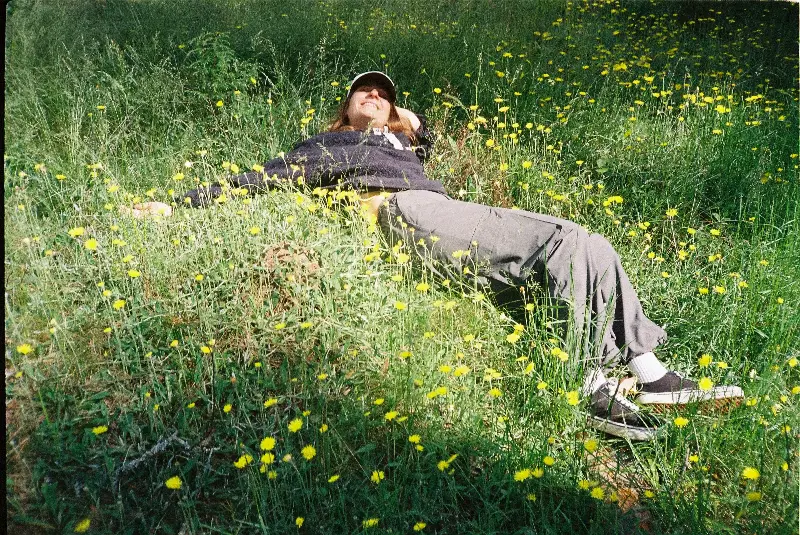
It is hard to resist the siren call of becoming the "best you." But sometimes, the best version of yourself is the one who stops to laugh at a joke, discovers joy in a goal-less hobby, or simply enjoys being rather than relentlessly becoming.
If you worry that being content means stagnation, remember: the most fulfilled people are those who allow themselves to live imperfectly. The hidden trap of self-help is believing that happiness lies on the far side of achievement. In reality, it is usually waiting quietly in the midst of your everyday routine.
Allow yourself the freedom to be a little messy. Life, after all, isn’t a problem to be solved, but a reality to be experienced—one beautiful, imperfect moment at a time.